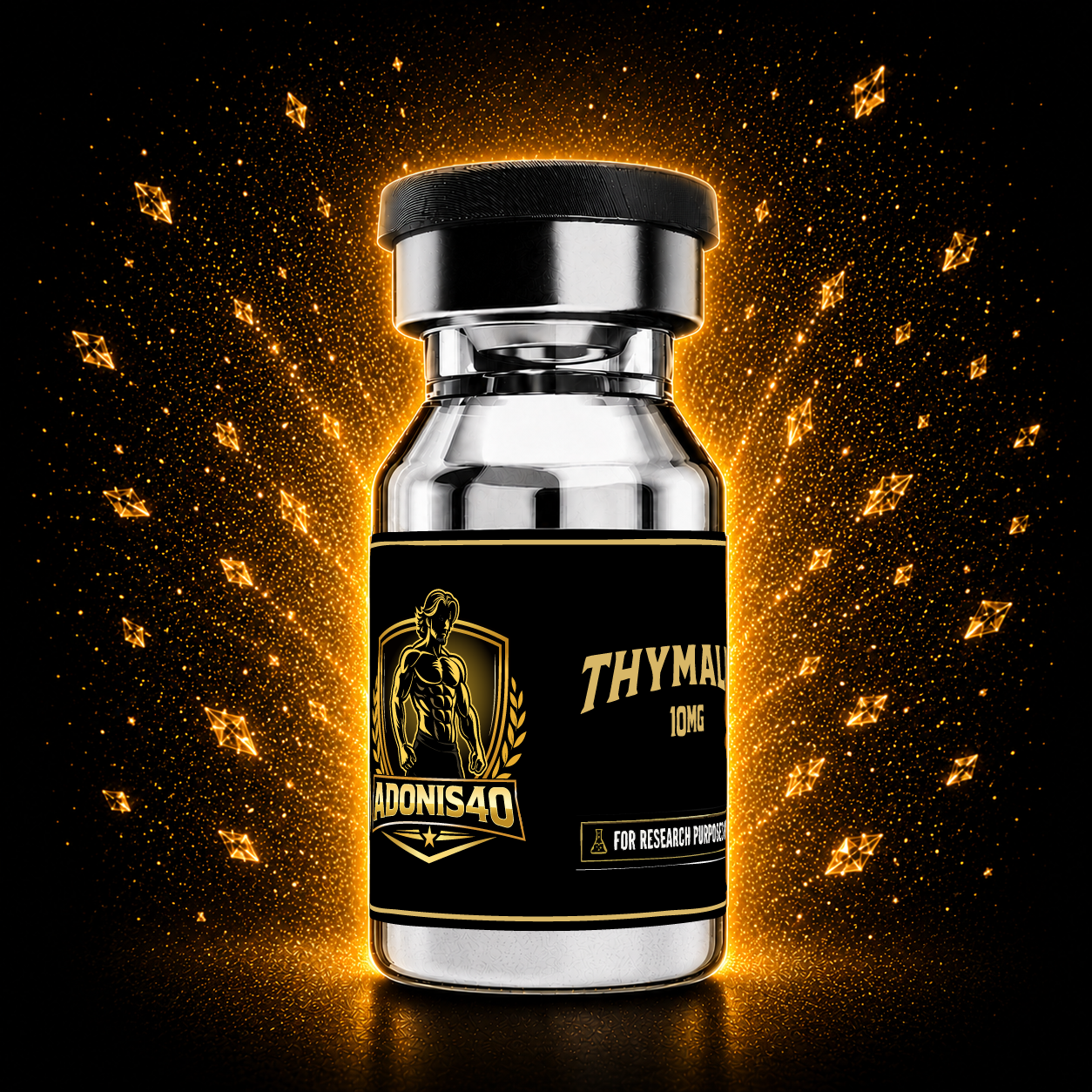
Thymalin is a peptide complex originally derived from thymic tissue and is widely studied for its involvement in immune-system regulation and cellular signaling. Unlike single-sequence peptides, Thymalin consists of multiple short peptide fractions that are believed to influence biological communication pathways at the cellular level.
In research models, Thymalin has demonstrated activity related to the maturation and functional regulation of immune cells. These observations have made it a valuable compound for investigating the relationship between thymic signaling and systemic immune performance.
Experimental studies suggest that Thymalin may influence gene-expression patterns associated with cellular repair, adaptation, and regulatory balance. Researchers frequently examine these effects when studying age-related changes in immune responsiveness and cellular resilience.
The peptide complex has also been investigated for its ability to support communication between immune tissues and peripheral organ systems. This systems-level approach has generated interest in Thymalin as a tool for exploring broader biological regulatory networks.
Preclinical research has associated Thymalin with modulation of inflammatory signaling pathways and maintenance of immune equilibrium under physiological stress conditions. These characteristics make it relevant for studies examining the interaction between immunity, aging, and recovery processes.
Much of the published literature surrounding Thymalin originates from Eastern European and Russian research institutions, where peptide bioregulator science has been extensively developed. Within this framework, Thymalin is frequently categorized as a foundational thymic bioregulator rather than a conventional immune stimulant.
Researchers continue to investigate its potential influence on cellular longevity, adaptive capacity, and tissue-level regulatory mechanisms. Its broad biological profile has contributed to ongoing interest in its application as a research tool for studying immune health, aging biology, and cellular communication.
Thymalin remains an important investigational compound for exploring thymic peptide signaling, immune regulation, and systemic biological adaptation. For Research Purposes Only, Not For Human Consumption or Veterinary Use.