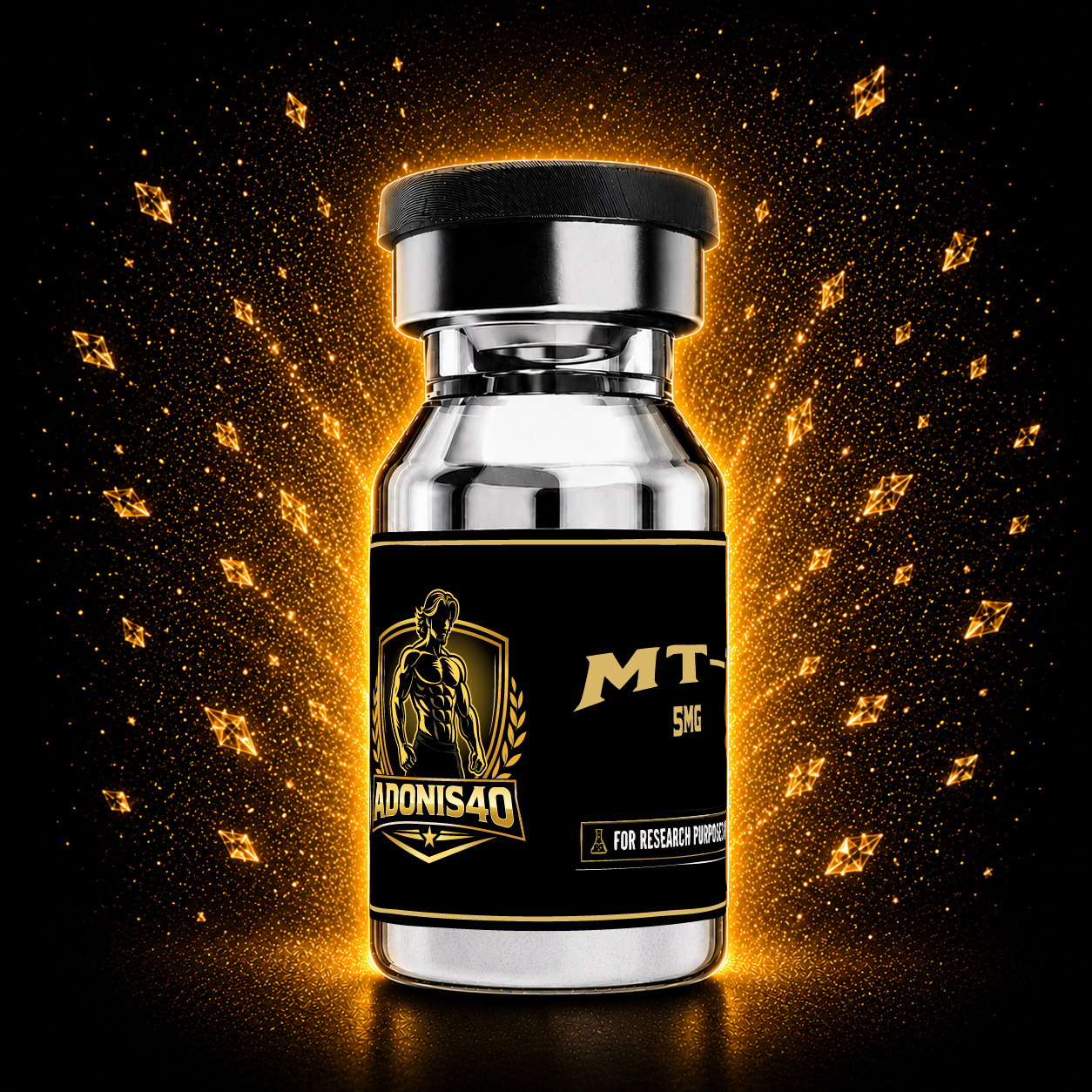
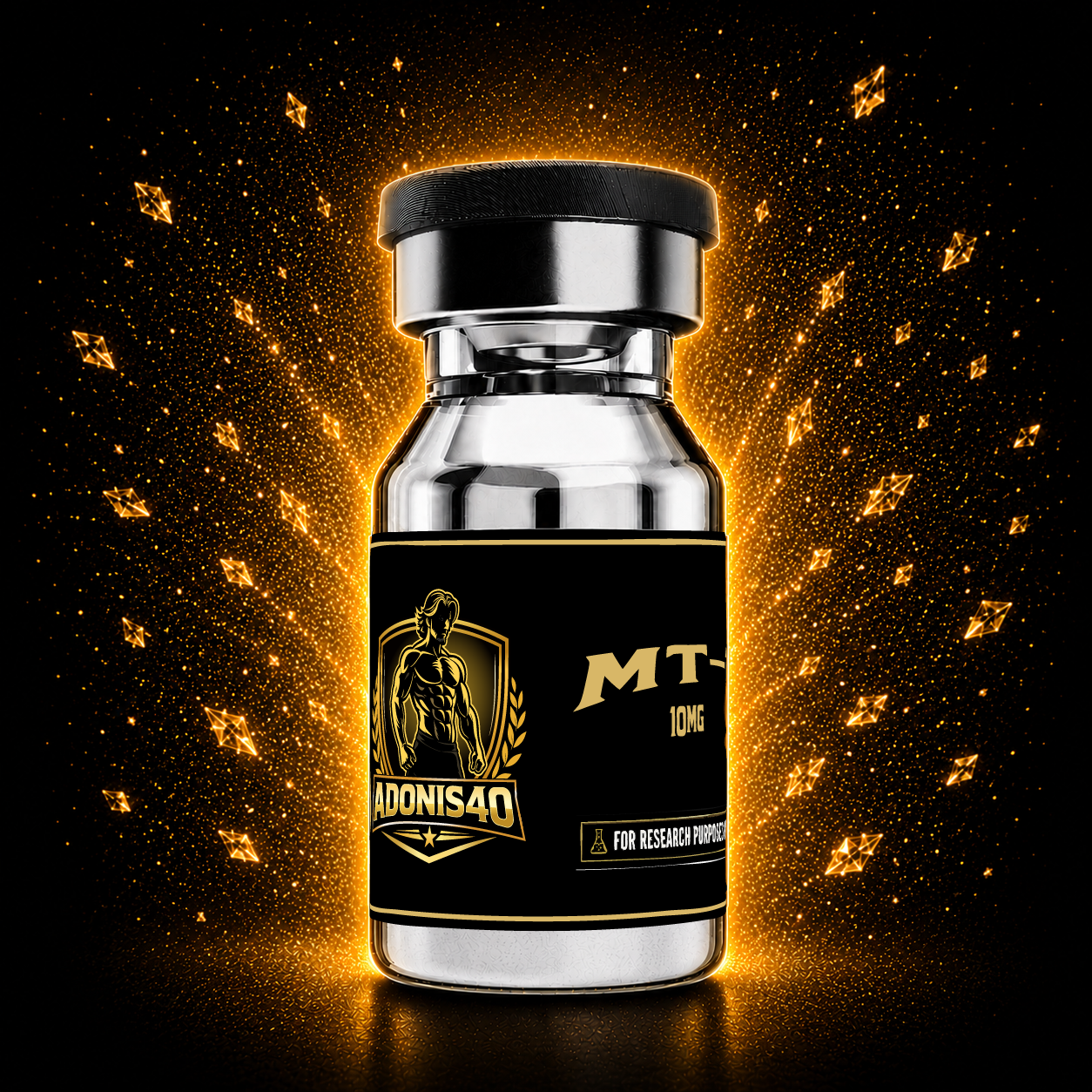
MT-1, also known as Melanotan I, is a synthetic analog of alpha-melanocyte stimulating hormone (α-MSH), a naturally occurring peptide involved in pigmentation and melanocortin receptor signaling. It was developed to provide enhanced stability and prolonged activity for experimental research applications involving melanin production and skin biology.
In research models, MT-1 primarily activates melanocortin-1 receptors (MC1R), which play a central role in regulating melanocyte activity and melanin synthesis. This receptor specificity has made it one of the most extensively studied peptides in pigmentation-related research.
Experimental findings suggest that MT-1 may stimulate melanin production within melanocytes, leading researchers to investigate its effects on pigmentation pathways and cellular responses to ultraviolet radiation. These characteristics have contributed to its widespread use in studies focused on skin adaptation and photoprotection.
Unlike broader melanocortin agonists, MT-1 demonstrates greater selectivity toward pigmentation-associated receptor pathways. This distinction allows researchers to examine melanin regulation with reduced influence on some of the additional physiological systems affected by other melanocortin peptides.
Preclinical studies have explored MT-1’s role in skin biology, melanocyte function, and cellular defense mechanisms associated with environmental stressors. Researchers continue to investigate how melanocortin signaling contributes to pigmentation control and tissue adaptation.
The peptide has also been utilized in models examining DNA repair responses and cellular resilience following ultraviolet exposure. These investigations help expand scientific understanding of the biological systems involved in maintaining skin integrity and pigmentation balance.
Due to its targeted mechanism and extensive publication history, MT-1 remains a widely recognized research compound within the fields of dermatological science and melanocortin biology. Its ability to selectively engage pigmentation pathways has made it a valuable tool for studying melanin synthesis and skin-response mechanisms.
Researchers continue to explore MT-1 as an investigational compound for understanding pigmentation regulation, melanocyte signaling, and the complex biological pathways involved in skin adaptation and environmental response. For Research Purposes Only, Not For Human Consumption or Veterinary Use.