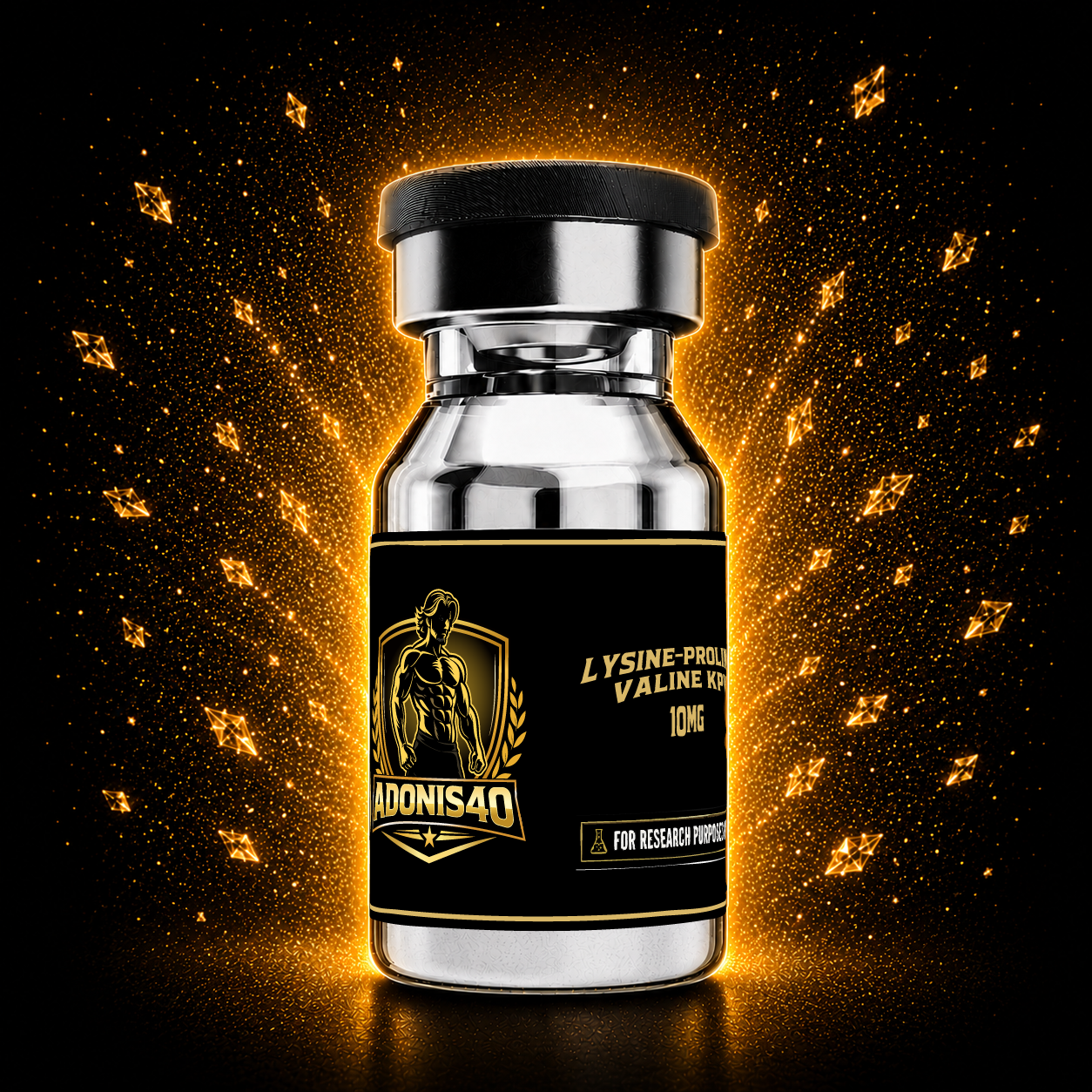
KPV is a synthetic tripeptide composed of lysine, proline, and valine, representing the active anti-inflammatory region of alpha-melanocyte stimulating hormone (α-MSH). Despite its small size, KPV has attracted significant scientific interest due to its potential influence on inflammatory signaling pathways and immune-system regulation.
In research settings, KPV is frequently studied for its ability to modulate cytokine activity associated with inflammatory responses. Experimental findings suggest that the peptide may influence key signaling molecules involved in cellular communication and immune-system balance.
Preclinical investigations have examined KPV in models involving gastrointestinal health, epithelial barrier integrity, and localized inflammatory processes. These studies have contributed to growing interest in the peptide’s role within mucosal and digestive-system research.
Researchers have also explored KPV’s relationship with innate immune responses and cellular adaptation to environmental stressors. Its ability to interact with inflammatory pathways has made it a useful tool for investigating how tissues respond to physiological challenges.
Unlike broad-spectrum immune stimulants, KPV is generally characterized as an immunomodulatory peptide that may help regulate inflammatory signaling without directly activating widespread immune responses. This distinction has contributed to its popularity within inflammation-focused research programs.
Experimental studies have associated KPV with support of epithelial-cell function and maintenance of normal cellular communication networks. These observations have generated interest in its application across multiple fields of regenerative and immune-related research.
Due to its small molecular structure, KPV is able to participate in targeted biological signaling processes while remaining relatively simple from a peptide-design perspective. Researchers continue to investigate how this tripeptide may influence cellular resilience and tissue-level adaptation.
With its growing body of preclinical literature and broad relevance to inflammation research, KPV remains an important investigational compound for studying immune regulation, epithelial biology, and cellular stress-response pathways. For Research Purposes Only, Not For Human Consumption or Veterinary Use.