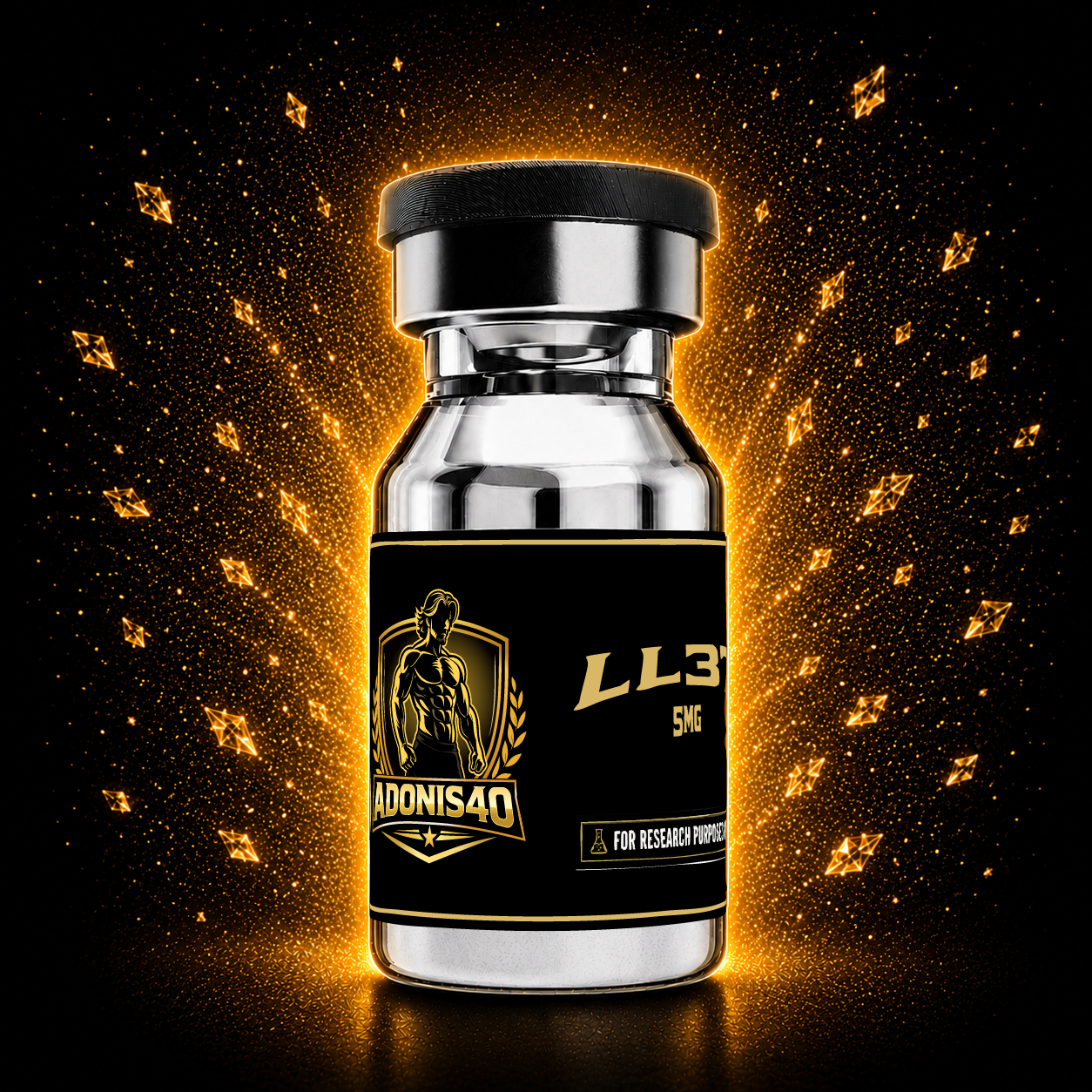
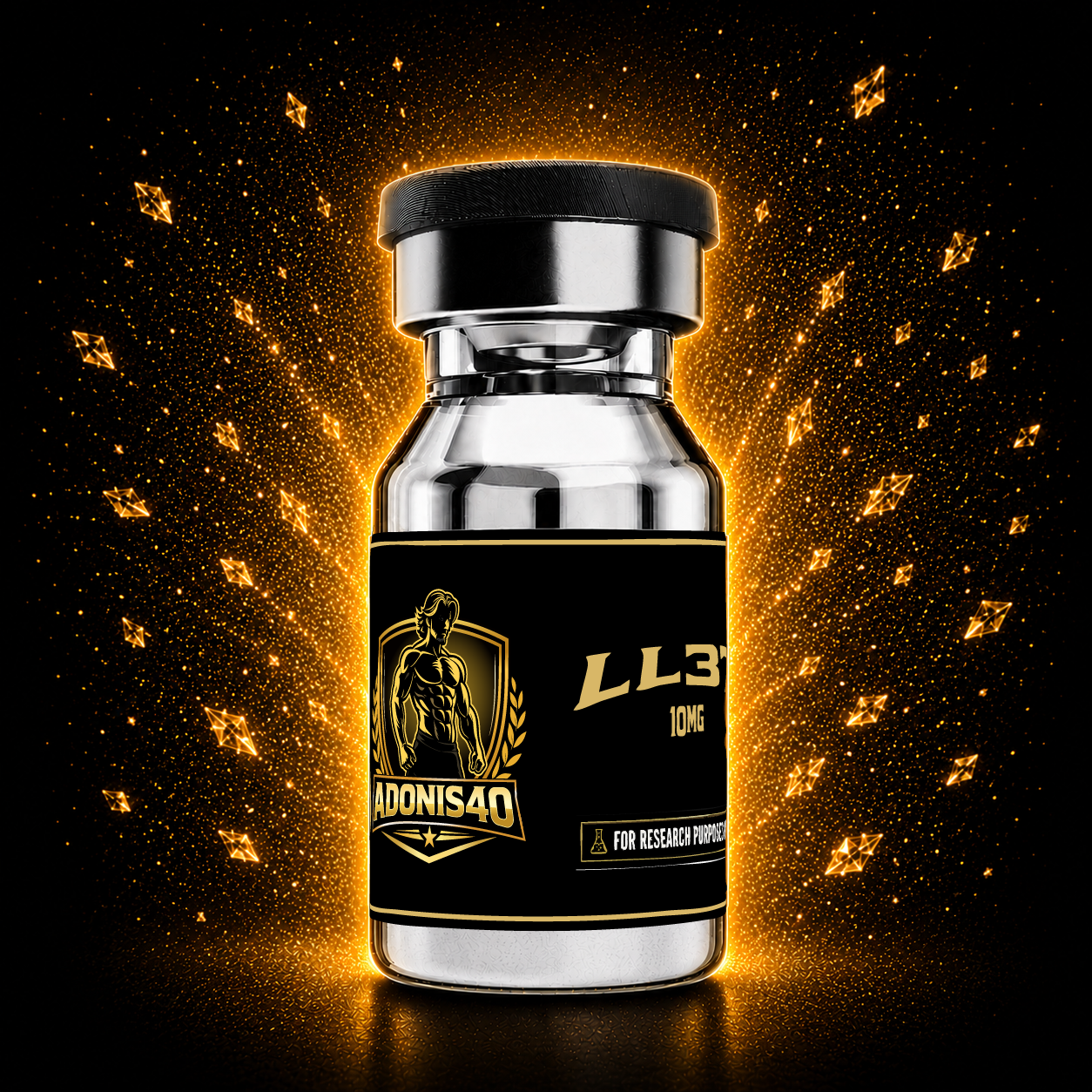
LL-37 is a synthetic version of a naturally occurring human cathelicidin peptide involved in the body’s first-line immune defense mechanisms. It is widely studied for its role in innate immunity, cellular communication, and tissue-repair signaling across a variety of experimental models.
In research settings, LL-37 has demonstrated the ability to interact with bacterial, viral, and fungal membranes through mechanisms that are distinct from conventional antimicrobial agents. These characteristics have made it an important investigational tool for studying host-defense pathways and microbial interactions.
Experimental studies suggest that LL-37 may influence immune-cell recruitment and communication by modulating cytokine production and inflammatory signaling networks. Researchers frequently examine these effects when exploring how the immune system responds to injury, infection, and environmental stressors.
Beyond its antimicrobial properties, LL-37 has been extensively investigated for its role in wound healing and tissue regeneration. Preclinical findings indicate that the peptide may support processes involved in cellular migration, angiogenesis, and extracellular matrix remodeling.
Researchers have also explored LL-37’s influence on epithelial barrier function and tissue integrity. These observations have generated interest in its potential role within models of skin biology, mucosal defense, and regenerative tissue research.
Unlike compounds that function through a single receptor pathway, LL-37 participates in multiple biological systems involved in immune surveillance and tissue maintenance. This broad activity has contributed to its significance in studies of integrated immune and repair mechanisms.
Preclinical investigations continue to evaluate LL-37’s effects on inflammatory balance, cellular resilience, and biological adaptation following tissue stress. Its diverse functions make it relevant across multiple areas of immunology and regenerative science.
Due to its extensive publication history and wide-ranging biological activity, LL-37 remains one of the most widely studied antimicrobial peptides in modern research. It continues to serve as a valuable investigational compound for exploring innate immunity, tissue repair, and host-defense biology. For Research Purposes Only, Not For Human Consumption or Veterinary Use.